Living in Denmark vs. the US: What to Expect
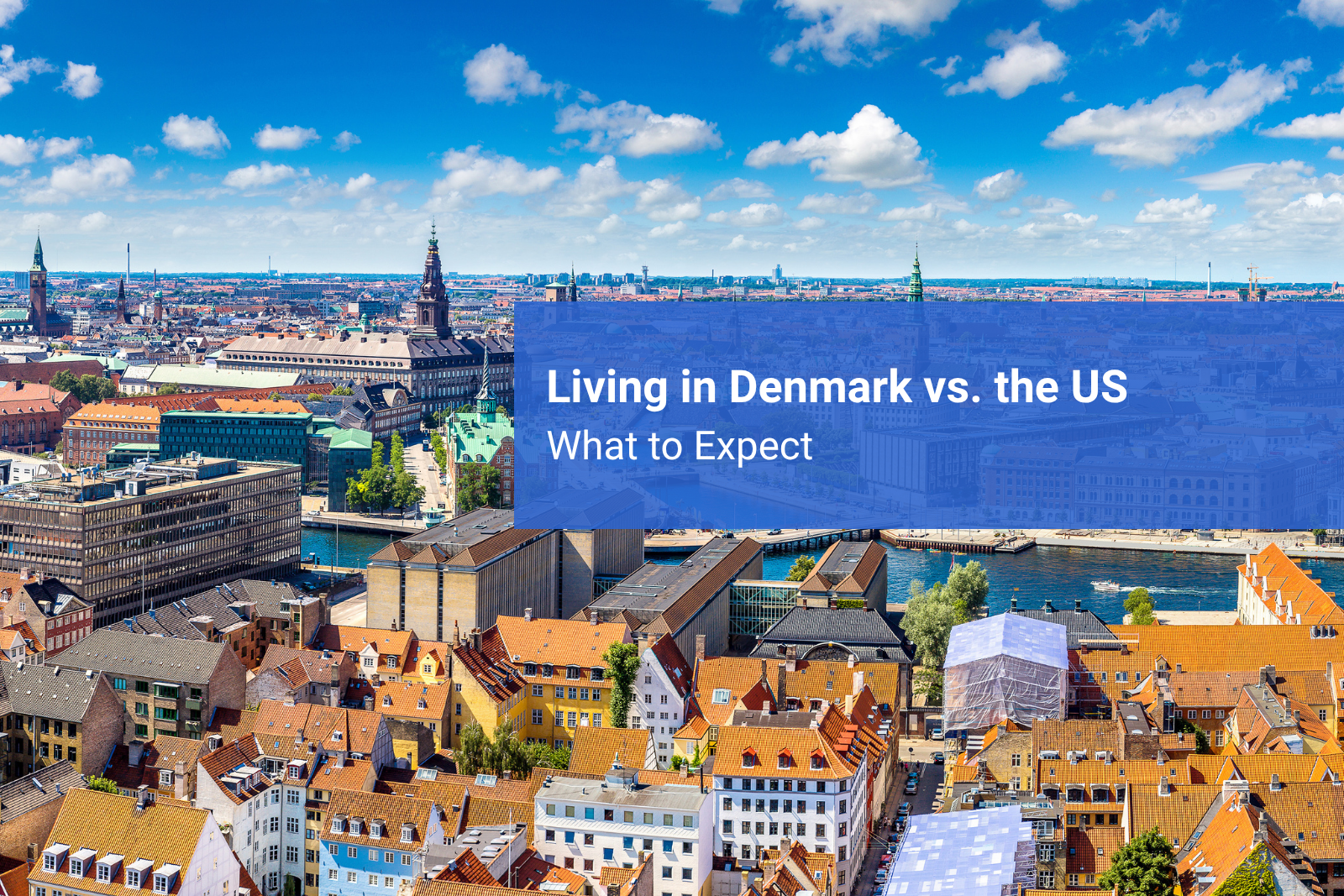
If you’re thinking about moving to Denmark, you’ve probably heard the same things over and over again: it’s consistently ranked as one of the happiest countries in the world, people ride bicycles everywhere, and the quality of life is excellent.
While those things are generally true, they don’t paint the full picture.
Living in Denmark can be an incredible experience, but it’s also very different from everyday life in the United States. Some changes are immediately refreshing, while others take time to adjust to. Understanding both sides before you move can help you decide whether Denmark is the right fit for your lifestyle and prepare for a smoother transition.
What Americans Often Love About Living in Denmark
A Better Work-Life Balance
One of the biggest differences Americans notice is the way Danes view work and personal time.
In Denmark, vacations are encouraged, family time is valued, and many workplaces place a strong emphasis on maintaining a healthy balance between work and life outside the office. While every employer is different, many Americans appreciate the slower pace and the expectation that people actually disconnect when they’re off the clock.
For those coming from fast-paced careers in the United States who are maybe looking to slow down, this can be one of the most rewarding parts of living abroad.
Getting Around Denmark: Cars, Bikes, and Public Transportation
If you’re moving to Copenhagen or another larger Danish city, you’ll quickly notice that Denmark offers plenty of ways to get around. Bicycling, walking, and public transportation are a major part of daily life, particularly in urban areas.
Bike lanes are common, and trains and public transportation make it easy to reach everyday destinations without always relying on a car.
That doesn’t mean you’ll want to leave your car or motorcycle behind. Depending on where you live, work, and travel, having your own vehicle can still be convenient, especially for families, people living outside major cities, or anyone who wants the flexibility to explore Denmark and the rest of Europe. If you plan to bring your vehicle with you, shipping a car to Denmark or shipping a motorcycle to Denmark can easily be included as part of your move.
Everyday Life Feels Safe
Denmark is known for its low crime rates and strong sense of community.
Many expats say they feel comfortable walking around cities, using public transportation, or letting their children play outside. Like anywhere else, it’s important to use common sense, but many Americans appreciate the overall feeling of security in daily life.
English Is Widely Spoken
One pleasant surprise for many Americans is how easy it is to communicate.
Most Danes speak excellent English, making everyday activities like shopping, dining out, or asking for directions much easier than newcomers often expect.
That said, learning Danish is still worthwhile if you’re planning to build a long-term life there. Speaking the local language can help with professional opportunities and make it easier to become part of the community.
Denmark’s Commitment to Sustainability
Recycling, cycling, renewable energy, and environmentally friendly practices are simply part of everyday life in Denmark.
Many Americans enjoy living in a country where sustainability is integrated into daily routines rather than treated as an afterthought.
What Takes Some Getting Used To
The Cost of Living Can Be Higher
One of the biggest adjustments for Americans is the cost of everyday life.
Housing, groceries, restaurants, and consumer goods can all cost more than many people are accustomed to in the United States. At the same time, many newcomers find that public transportation, healthcare, and other public services change the way they budget overall.
Before moving, it’s a good idea to research the specific city where you’ll be living, since costs can vary across Denmark.
Homes Are Often Smaller
Americans are frequently surprised by the size of Danish homes and apartments.
Whether you’re moving into an apartment in Copenhagen or a house elsewhere in the country, living spaces are often more compact than what many Americans are used to.
This is one reason many people moving overseas decide to carefully evaluate which furniture and household belongings are worth shipping before they relocate.
Winters Feel Different
The temperatures in Denmark are generally moderate, but many newcomers find the shorter winter days more noticeable than the cold itself.
Less daylight can take some adjustment, especially if you’re relocating from a sunnier part of the United States.
The good news is that cozy indoor traditions and an active social culture help many residents embrace the season rather than simply endure it.
Building a New Social Circle Takes Time
Danes are often described as friendly but somewhat reserved when first meeting new people.
Making close friendships may take longer than some Americans expect, particularly if you don’t already have family or coworkers in Denmark.
Joining local clubs, sports groups, volunteer organizations, or language classes can be a great way to meet people and become part of your new community.
Some Jobs Require Danish
Although English is commonly spoken, certain careers still require fluency in Danish.
If you’re transferring with an international employer or working in a field where English is commonly used, this may not be an issue. However, anyone planning to build a long-term career in Denmark should consider learning the language as part of their relocation plans.
Is Living in Denmark Better Than Living in the US?
There isn’t a single right answer.
Some Americans thrive in Denmark’s emphasis on work-life balance, public transportation, sustainability, and community. Others find themselves missing the larger homes, lower everyday costs, or convenience they’re accustomed to in the United States.
Ultimately, the best choice depends on your career, lifestyle, and long-term goals.
The more you understand what everyday life is actually like before you move, the fewer surprises you’ll encounter after you arrive.
Planning Your Move to Denmark
Once you’ve decided Denmark is the right destination, the next step is planning the move itself.
International relocations involve much more than packing boxes. Deciding what to bring, preparing your household shipment, understanding customs requirements, and choosing the right shipping method all play an important role in making your move as smooth as possible.
Whether you’re relocating for work, family, or a new adventure, planning ahead can help you arrive in Denmark with confidence.
Schumacher Cargo Logistics has helped individuals and families move overseas for over 40 years, offering international household moving services and vehicle shipping to destinations around the world. If you’re planning a move to Denmark, our team can help you understand your shipping options and prepare for every stage of the relocation process.
Ready to get started? Request a free international moving quote today.

For Americans considering an international move in 2026, Australia remains one of the most attractive and familiar-feeling destinations. With a shared language, high wages, strong public healthcare, and an outdoor-focused lifestyle, Australia appeals to both working professionals and retirees from the United States.
However, living in Australia is not simply “the USA with better beaches.” Housing costs, distance from the U.S., immigration rules, and taxes all play a major role in whether the move makes sense long-term.
Below is a practical comparison to help you decide whether living in Australia or the USA is the better fit for you in 2026.
Is Living in Australia Better Than the USA?
Short answer:
Australia offers Americans higher average wages, better work-life balance, and universal healthcare, but at a higher cost of living, with expensive housing and strict immigration requirements.
For many Americans, the tradeoff is worth it. For others, it depends heavily on career flexibility and lifestyle priorities.
Australia vs USA: Key Differences at a Glance (2026)
| Category | Australia | United States |
| Language | English | English |
| Healthcare | Universal public system | Private, employer-based |
| Wages | High minimum & average wages | Varies widely |
| Housing | Expensive in major cities | More availability |
| Work-life balance | Strong protections | Employer-dependent |
| Geography | Very remote from the U.S. | Central to global travel |
Pros of Living in Australia
No Language Barrier
For Americans, one of the biggest advantages of Australia is the lack of a language barrier. English is the primary language nationwide, making day-to-day life, professional work, and government processes much easier than in many other expat destinations.
While Australian slang may take some getting used to, communication is rarely a challenge.
High Standard of Living and Wages
Australia consistently ranks among countries with the highest quality of life. Wages are generally higher than in the U.S. for comparable roles, and the national minimum wage is significantly higher.
Combined with worker protections, paid leave, and healthcare access, many Americans find they can maintain a comfortable lifestyle despite higher costs.
Universal Healthcare System
Australia’s public healthcare system provides residents with access to essential medical services without the financial stress often associated with U.S. healthcare.
Many Australians still carry private insurance for elective procedures or faster access, but healthcare costs are far more predictable than in the U.S.
Work-Life Balance
Australian workplace culture generally emphasizes balance. Employees receive paid vacation time, paid sick leave, and protections that are not guaranteed in the U.S.
This focus on quality of life is one of the most appealing aspects for Americans used to long work hours and limited time off.
Outdoor Lifestyle and Climate
Australia’s climate and geography encourage an active, outdoor lifestyle. Beaches, national parks, and coastal cities make it easy to enjoy nature year-round.
For many Americans, the ability to combine city life with easy access to the outdoors is a major draw.
Cons of Living in Australia
High Cost of Housing
Housing is one of the biggest challenges for people moving to Australia. Major cities such as Sydney and Melbourne have extremely high home prices and rental costs.
While wages are higher, housing expenses can significantly impact overall affordability.
Distance from the United States
Australia’s geographic isolation can be difficult for Americans with close family ties in the U.S. Flights are long, expensive, and time-consuming.
Regular visits home are not as easy or affordable as they would be from Europe or Canada.
Strict Immigration Rules
Australia has a points-based immigration system that prioritizes skilled workers, specific occupations, and age limits.
Permanent residency is not guaranteed, and many visas are temporary or employer-sponsored.
Higher Cost of Goods and Services
Imported goods, electronics, and some consumer products are often more expensive in Australia.
This can be an adjustment for Americans accustomed to lower retail prices and wide availability.
Is Australia or the USA Better for Americans in 2026?
The answer depends on what you value most. Australia offers stability, healthcare security, and a slower-paced lifestyle. The U.S. offers flexibility, career mobility, and proximity to family for many Americans.
If quality of life, healthcare, and work-life balance are your priorities, Australia may be the better choice. If affordability, mobility, and career growth are more important, staying in the U.S. may make more sense.
Planning on a Move to Australia?
Carefully weighing the pros and cons—and understanding the practical realities of immigration, housing, and distance—can help ensure the move is the right one for you.
With over 40 years of experience, Schumacher Cargo Logistics is a trusted leader in international moving. Our team understands the unique challenges of overseas relocation, from shipping logistics to customs documentation and delivery coordination, ensuring your move is handled with care and expertise. Whether you need door-to-door household moving or vehicle shipping, choosing an experienced international mover like Schumacher can make your transition abroad noticeably smoother and less stressful.
Get a Free Custom Moving Quote
More Australia Moving Guides
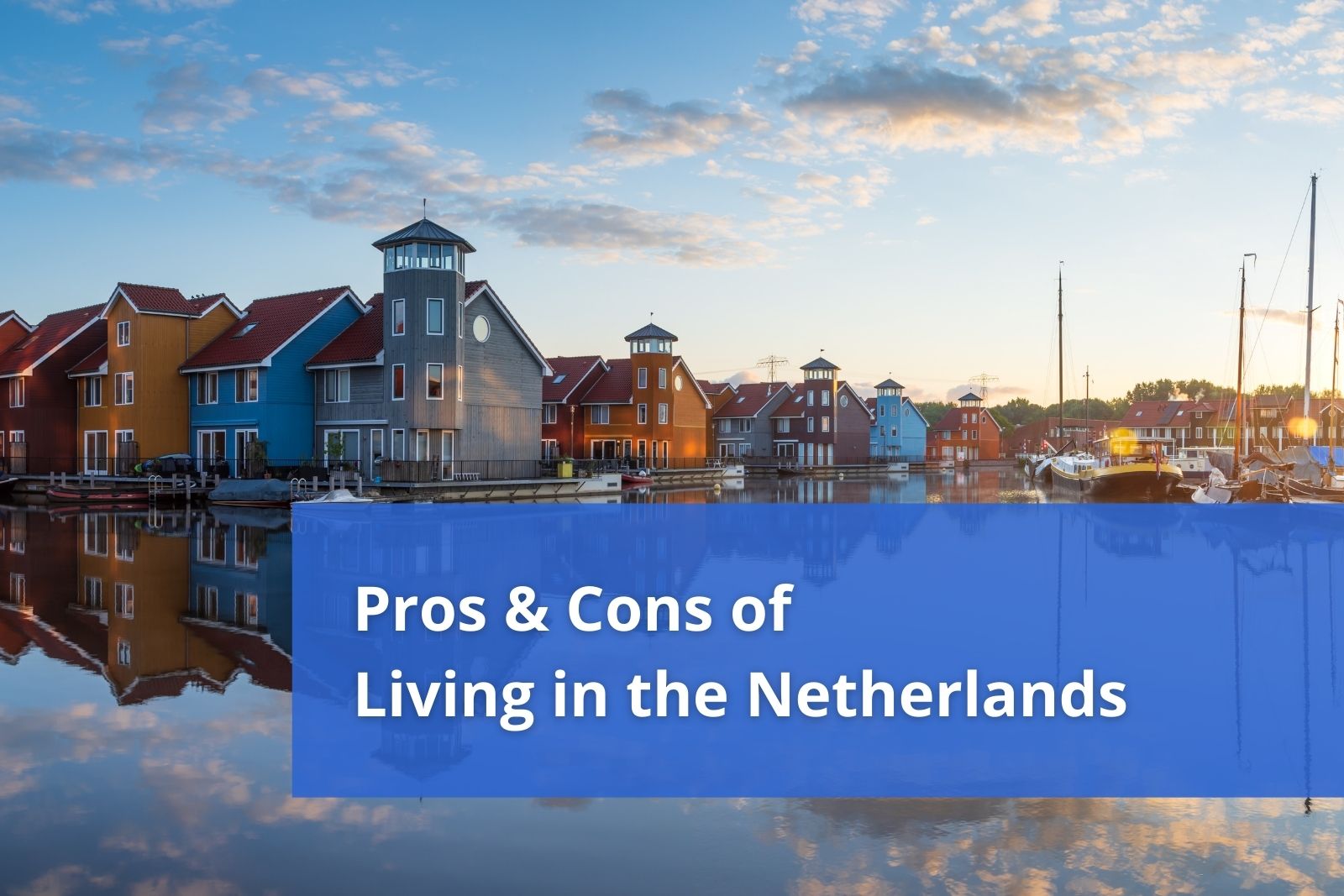
For Americans considering a move abroad in 2026, the Netherlands consistently ranks among the most appealing options. Known for its strong work-life balance, walkable cities, and high quality of life, the Netherlands offers a very different day-to-day experience compared to the United States.
Below is a clear, practical comparison to help you decide whether living in the Netherlands or the USA makes more sense for you in 2026.
Is Living in the Netherlands Better Than the USA?
For many Americans, the Netherlands offers better work-life balance, easier access to healthcare, and a more walkable lifestyle, but at the cost of higher housing competition, higher taxes, and less living space.
The right choice depends on your priorities, career flexibility, and tolerance for tradeoffs.
Netherlands vs USA: Key Differences at a Glance (2026)
| Category | Netherlands | United States |
| Healthcare | Universal, regulated | Private, employer-based |
| Work-life balance | Strong labor protections | Varies by employer |
| Housing | Competitive, limited supply | More space, more availability |
| Transportation | Public transit & biking | Car-dependent |
| Language | English widely spoken | English primary |
| Taxes | Higher but includes services | Lower but fragmented services |
Pros of Living in the Netherlands
Excellent Work-Life Balance
The Netherlands is widely known for its healthy relationship with work. Employees benefit from legally protected vacation time, parental leave, and reasonable working hours. Compared to the U.S., where benefits vary significantly by employer, Dutch labor protections are more consistent and predictable.
High Quality of Life
Dutch cities regularly rank among the world’s most livable. Clean infrastructure, safe neighborhoods, strong social systems, and an emphasis on well-being all contribute to a high overall quality of life, especially for families and professionals seeking stability.
Easy Transportation and Car-Free Living
Public transportation in the Netherlands is efficient, reliable, and extensive. Trains, trams, buses, and cycling infrastructure make it possible to live comfortably without owning a car, a major lifestyle shift for Americans used to driving everywhere.
Low Language Barrier for English Speakers
Although Dutch is the official language, English proficiency is extremely high. Most Americans can navigate daily life, government offices, and professional environments without speaking Dutch fluently, especially in major cities.
Cons of Living in the Netherlands
Housing Is Competitive and Expensive
The Dutch housing market remains one of the biggest challenges for expats in 2026. Rental availability is limited, competition is intense, and prices in cities like Amsterdam, Utrecht, and Rotterdam can be high relative to the space available.
Many Americans are surprised by:
- Smaller living spaces
- Strict rental requirements
- Limited short-term availability
- Higher Taxes Compared to the USA
Income taxes and social contributions in the Netherlands are higher than in the U.S.
While these taxes fund healthcare, infrastructure, and social services, Americans accustomed to lower tax rates may experience sticker shock.
Immigration Rules Matter
Americans cannot simply move to the Netherlands indefinitely without proper residency authorization. Visas, work permits, and registration requirements play a major role in whether a move is feasible.
Cost of Living: Netherlands vs USA
In 2026, the cost of living in the Netherlands is generally higher than in many U.S. cities, but lower than in major U.S. metros like New York or San Francisco.
Key differences:
- Housing: More expensive per square foot in the Netherlands
- Healthcare: Significantly cheaper overall
- Transportation: Much cheaper without a car
- Groceries: Comparable, with higher quality standards
The tradeoff is paying more upfront in rent while saving on healthcare, commuting, and long-term stability.
Healthcare: A Major Difference for Americans
Healthcare is one of the biggest lifestyle differences between the Netherlands and the U.S.
In the Netherlands:
- Health insurance is mandatory
- Costs are regulated
- Coverage is comprehensive
- Access is not tied to employment
For Americans used to employer-based insurance, the Dutch system often feels simpler, more predictable, and less stressful.
Who the Netherlands Is a Good Fit For
The Netherlands may be a strong choice if you:
- Value work-life balance over long work hours
- Want to live without a car
- Work remotely or in international industries
- Prefer walkable cities and public transit
- Want predictable healthcare costs
It may not be ideal if you:
- Need large living spaces
- Want low taxes
- Prefer suburban or rural lifestyles
- Rely on U.S.-specific employment structures
Planning an International Move to the Netherlands
Relocating internationally involves more than just choosing a country. Shipping household goods, vehicles, and personal belongings requires careful planning, compliance with customs regulations, and realistic timelines.
With over 40 years of experience, Schumacher Cargo Logistics is a trusted leader in international moving. Our team understands the unique challenges of overseas relocation, from shipping logistics to customs documentation and delivery coordination, ensuring your move is handled with care and expertise. Whether you need door-to-door household moving or vehicle shipping, choosing an experienced international mover like Schumacher can make your transition abroad noticeably smoother and less stressful.
Get a Free Custom Moving Quote
Frequently Asked Questions
Is the Netherlands better than the USA for families?
Many families prefer the Netherlands for its healthcare system, education standards, and work-life balance, though housing space is typically smaller than in the U.S.
Can Americans move to the Netherlands permanently?
Yes, but only with proper residency authorization. Americans must qualify through work, business, or other legal residency pathways.
Do I need to speak Dutch to live in the Netherlands?
Dutch is helpful, but not required initially. English is widely spoken, especially in cities.
Is it expensive to live in the Netherlands?
Housing can be expensive, but healthcare, transportation, and everyday costs can offset higher rent compared to many U.S. cities.
More on Moving to the Netherlands:
Living in Milan is an experience like no other, offering a unique lifestyle that caters to various interests and passions. Milan, often referred to as the fashion capital of the world, is a city that seamlessly blends history, culture, and modernity. Whether you’re planning to move to Milan or just curious about life in this iconic city, this comprehensive guide will walk you through everything you need to know.
Get ready to embark on a journey through Milan, exploring its vibrant neighborhoods, cultural gems, culinary delights, and much more.
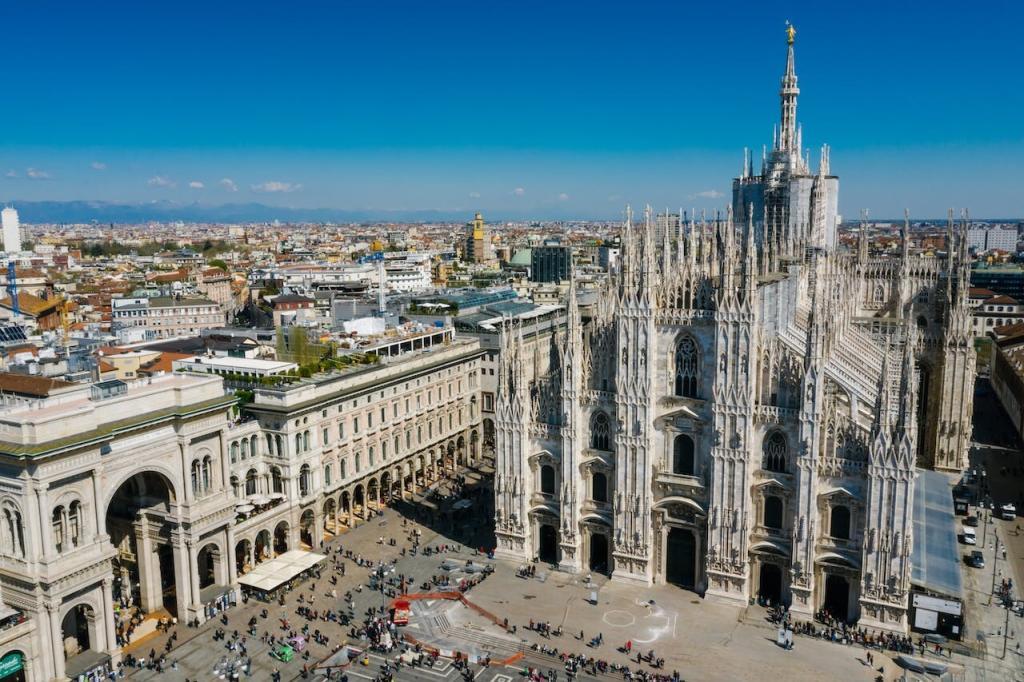
Living in Milan
Milan’s Unique Charm
Living in Milan is an exhilarating experience. The city exudes a unique charm with its stylish residents, historic architecture, and a passion for innovation. Many expats that move here say there is no place in the world like it. This blend of tradition and modernity creates a dynamic environment that appeals to a diverse range of people from expats to native Italians alike. Milan’s growing cultural importance brings many expats here for both work and pleasure, which makes it a very appealing destination for staying a long period of time.
Popular Neighborhoods in Milan
When living in Milan, there are many different distinct areas you may want to consider. Depending on your preferences, you are sure to find something that fits your desired lifestyle. Here are a few of the most famous places that people choose to live when moving here.
Brera
Brera is a picturesque, bohemian neighborhood known for its artistic ambiance. This district is home to numerous galleries, boutiques, and some of the best cafes in the city. It is both popular to expats and locals alike, making it a great place to be able to experience new culture while being easy to fall back on old styles.
Navigli
If you love a lively atmosphere, Navigli is perfect. It’s famous for its canals, vibrant nightlife, and a plethora of restaurants serving authentic Italian cuisine. This has become a very trendy place to live and popular amongst the younger people who want to live in Milan.
Porta Nuova
Porta Nuova has become one of the most popular areas to live in, especially for expats. This area has high-rises, great transportation, and many of the city’s biggest businesses. It is more akin to city life you may know from the states, with many modern amenities you’ve come to expect with city life.
There are many other amazing places to live in Milan, but those three are regarded as some of the most popular to live in.
Cost of Living in Milan as an America
One of the most popular questions for expats is “What is the Cost to Live in Milan?” Unfortunately, the answer to this can vary from person and it gets even more complicated for expats. Though there are some expenses that will be the same for citizens or expats. For example, a 1 Bedroom you can expect around 1000-2000 Euros a month which is around +/- 10% with the US dollar. Generally, many expats have told us the cost of living in Milan is around the same as most major American cities.
Exploring Milan’s Culture
Art and Museums
Pinacoteca di Brera: This renowned art gallery houses an impressive collection of Italian art, including works by Caravaggio and Raphael. It is the major museum in Milan and considered one of the best museums in the world.
Visit Pinacoteca di Brera
The Last Supper: This masterpiece by Leonardo da Vinci can be found in the Convent of Santa Maria delle Grazie. Make sure to book your tickets well in advance. The convent isn’t really a museum as there is only the single defining work that brings people in. Though there are other historic and beautiful pieces to see there.
Visit Santa Maria delle Grazie
Music and Opera
Milan is synonymous with opera. Don’t miss the chance to attend a performance at the famous La Scala, one of the most prestigious opera houses in the world. Founded in 1778, the opera house is almost as old as America!
Visit Teatro La Scala
Culinary Delights
Risotto alla Milanese: Savor the city’s signature dish, a creamy saffron-infused risotto. Its simplicity is deceiving as there is a plethora of flavors while seemingly few ingredients.
Aperitivo: Experience the Italian tradition of aperitivo, where you enjoy drinks and appetizers at local bars. Starting with a traditional spritz or negroni, the aperitivo helps people relax after work and start unwinding. For an expat living in Milan, aperitivo is much like a happy hour in the states.
Lifestyle and Entertainment of Milan
Fashion Capital
One of the things Milan is most known for is its importance in the fashion world. Some call it the fashion capital of the world with many shows that bring pros from all over the world. Take a stroll through the Quadrilatero della Moda, the city’s fashion district, where you can shop for luxury brands and the latest trends. The Milan fashion week takes place in late February, so look out for this if you’re interested.
Sports
If you’re a football enthusiast, attending an AC Milan or Inter Milan match at San Siro Stadium (Stadio Giuseppe Meazza) is a must. Milanese residents are passionate about their football. The San Siro can fit 80,000 people and has tours of the facilities and a museum with historic memorabilia.
Conclusion
Living in Milan as an expat is an experience that blends rich history, modernity, and cultural diversity compared to your times in the USA. This bustling metropolis offers a unique way of life that caters to various interests and passions. Whether you’re attracted to art, fashion, or simply the joy of living in a vibrant city, Milan has something to offer everyone. Embrace the Milanese lifestyle and enjoy the enchanting journey in the heart of Italy’s fashion and cultural capital.
Remember, Milan isn’t just a city; it’s a lifestyle.
We also have a page dedicated to Moving to Milan if you would like to get started or fill out our quote form at the top of the page. If you are interested in moving anywhere else in Italy, take a look at our Moving to Italy Guide.
Introduction
Denmark, an enchanting Nordic nation renowned for its opulent historical backdrop, breathtaking landscapes, and remarkable standard of living, has emerged as an alluring destination for those contemplating relocation. Nevertheless, akin to any other location, living in Denmark entails a set of advantages and disadvantages unique to the region. Within the confines of this article, we shall delve into the pros and cons of living in Denmark, providing a comprehensive overview of the experiences that await those who choose to embrace this captivating Scandinavian haven as their home.
Disclaimer for Pros and Cons of Living in Denmark
As a disclaimer, there are variations in living in different places within Denmark. For instance, living in Copenhagen is different than living in Aarhus or Odense. In this article, the differences between Denmark and USA should be taken as more as a broad stroke, especially since each person can experience a completely different Denmark from each other.
Pros of Living in Denmark
Exemplary Quality of Life
Denmark consistently attains top rankings in terms of quality of life, boasting exceptional healthcare provisions, high educational benchmarks, and a robust social welfare system. Residents revel in a well-established infrastructure, pristine urban areas, and a profound sense of community. Denmark consistently ranks in the top 5 happiest countries in the world, which shows just how nice this is for the citizens here.
Prominent Focus on Work-Life Equilibrium
One of Denmark’s key advantages lies in its emphasis on achieving a harmonious work-life equilibrium. Danes truly value leisure time and prioritize personal well-being. With a condensed workweek and ample vacation entitlements, individuals have an abundance of time to indulge in hobbies, spend quality moments with their loved ones, and relish recreational pursuits. Many will find the minimum time off from a full-time job will be 4 weeks, which is much from than the USA. Some may even find themselves with over 3 months off during a year.
Top Tier Education System
Denmark has garnered a stellar reputation for its education system of the highest caliber. From the formative years of primary school to the expanse of university education, students are privileged to be part of a comprehensive and inclusive learning environment. The pedagogical focus on critical thinking, creativity, and practical skills equips students with the tools necessary for future triumphs.
Sustainable and Ecological Lifestyle
Denmark remains unswerving in its commitment to sustainability and environmental conservation. Spearheading the charge in renewable energy production, the nation’s landscape is adorned with wind turbines. The emphasis placed on cycling as a mode of transportation, the efficiency of public transit systems, and the cultivation of eco-friendly practices renders Denmark an idyllic haven for conscientious individuals passionate about the environment.
Safety and Security
Denmark consistently secures a place among the world’s safest countries. Low crime rates, efficient law enforcement agencies, and a prevailing sense of social cohesion contribute to an atmosphere of safety and security for all residents. Whether navigating the urban streets or venturing into the countryside, one can traverse with confidence, reassured by personal well-being. Some American expats feel so safe, they leave their doors unlocked for their friends to come and go.
Cons of Living in Denmark
Cost of Living in Denmark
One primary concern associated with living in Denmark pertains to the elevated cost of living. The nation upholds a high tax rate, and everyday expenditures, such as housing, groceries, and transportation, can prove rather dear. Therefore, meticulous budgeting and preparedness for comparatively higher prices vis-à-vis other countries are imperative. If you retain your US citizenship, you’ll actually need to pay taxes to both governments which can make living in Denmark very expensive for Americans.
Language Barrier
While many Danes possess a fluent command of the English language, Danish remains the official language of Denmark. For those intending to live and work in Denmark, acquiring proficiency in the local language bears inherent advantages for everyday life and seamless integration. Though Danish might present challenges on the path to mastery, the effort expended serves to enrich one’s overall experience.
Climate
Denmark experiences a temperate climate characterized by mild summers and chilly winters. Unpredictable weather patterns, frequent rain showers, and overcast skies are par for the course. Those inclined toward warmer climes or susceptible to colder temperatures may encounter some adjustment hurdles when acclimatizing to the Danish weather.
Limited Employment Opportunities
The Danish job market exhibits a competitive landscape, particularly for non-Danish speakers. Fluency in the Danish language is often a prerequisite for certain professions, consequently limiting opportunities for expatriates. Thorough research of the job market and a careful assessment of one’s skills and qualifications are essential steps before embarking on a relocation journey.
Cultural Adaptation
Relocating to a foreign land invariably necessitates cultural adaptation. Although Denmark is renowned for its inclusive and welcoming society, individuals hailing from diverse cultural backgrounds may encounter initial challenges. Familiarizing oneself with Danish customs, norms, and social etiquette proves instrumental in facilitating integration and nurturing meaningful connections.
Frequently Asked Questions about Living in Denmark
Is Denmark considered a safe country to call home?
Certainly, Denmark stands tall among the world’s safest countries. The combination of low crime rates, efficient law enforcement, and a robust social fabric engenders a secure living environment.
How steep is the cost of living in Denmark?
Denmark boasts a high cost of living, with expenses such as housing, groceries, and transportation carrying substantial price tags. Meticulous budgeting and preparedness for higher prices compared to other nations are essential for a smooth transition.
Is it necessary to learn Danish to thrive in Denmark?
While many Danes are proficient in English, acquainting oneself with the Danish language proves advantageous for daily life and seamless integration. Danish serves as the official language, and embracing it heightens the overall experience.
What characterizes the Danish education system?
Denmark’s education system is widely acclaimed for its adherence to high standards. From primary school through university, students are nurtured within a comprehensive and inclusive educational environment that fosters critical thinking, creativity, and practical skills.
How is work-life balance cultivated in Denmark?
Denmark places substantial emphasis on cultivating a healthy work-life balance. With shorter workweeks and generous vacation entitlements, individuals gain ample time to pursue personal interests, relish family moments, and savor leisurely pursuits.
What are some popular attractions in Denmark?
Denmark presents an array of enticing attractions for both residents and visitors. Tivoli Gardens, the picturesque Nyhavn waterfront, the historically captivating city of Copenhagen, and the enchanting castles of North Zealand rank among the popular destinations.
Conclusion to Living in Denmark Pros and Cons
Living in Denmark unfurls a tapestry of opportunities and experiences. The exceptional quality of life, steadfast dedication to work-life balance, and unwavering commitment to sustainability render this nation an irresistible destination for many. However, it is crucial to consider factors such as the cost of living, language barrier, and cultural adaptation before embarking on a journey of relocation. By carefully weighing the pros and cons, individuals can determine if living in Denmark aligns with their aspirations and goals.
Additional Reading
If you decide that the pros outweigh the cons to living in Denmark, Schumacher Cargo Logistics can help you move there. From your household to vehicles, you can easily ship all your goods to even the smallest towns.
To get started fill out our Online Quote Form and a representative will contact you soon!