
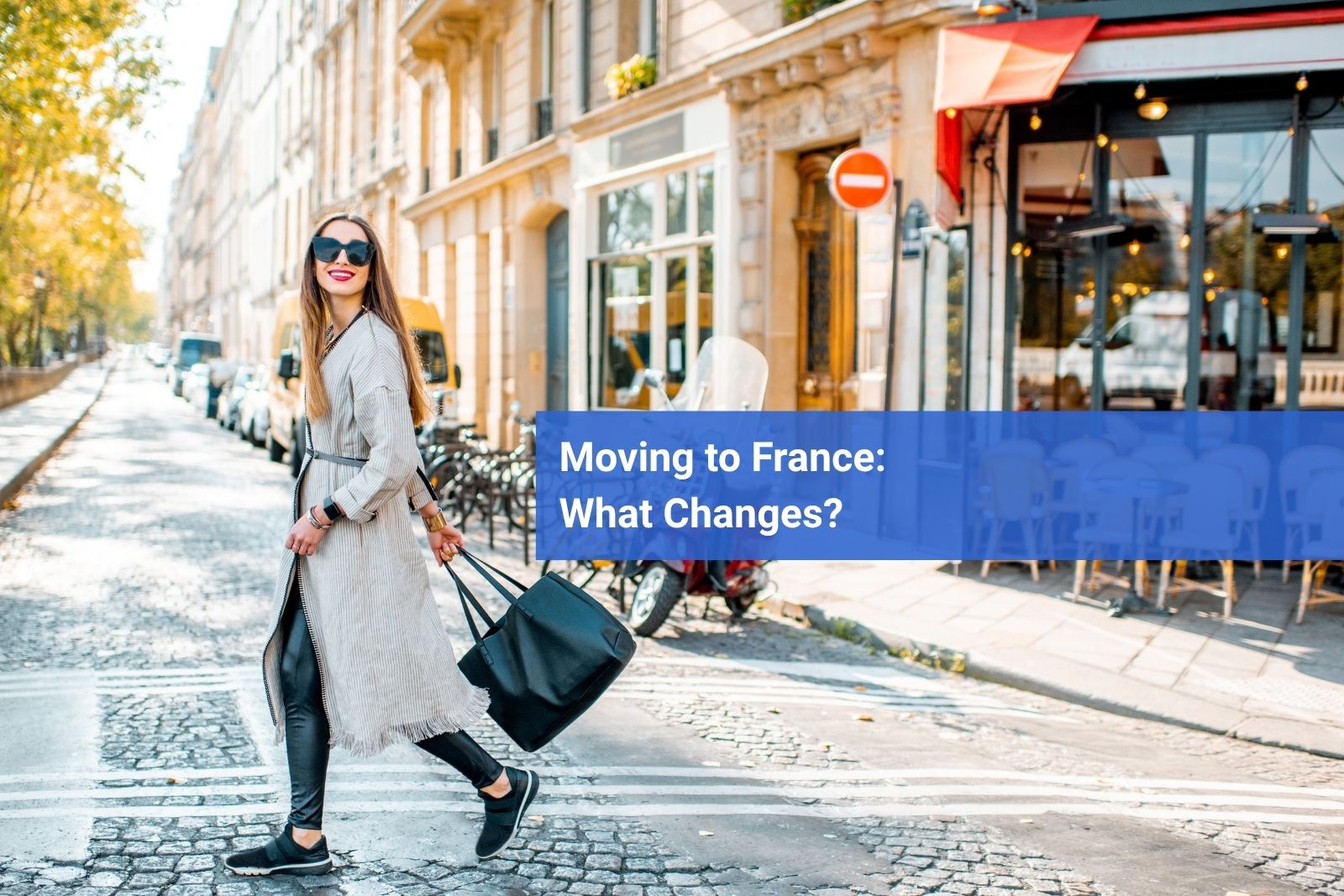
Moving to France from the United States is exciting, but it can also feel overwhelming at first. Many Americans imagine dramatic lifestyle changes before relocating overseas, only to discover that some parts of life in France feel very different while others quickly become familiar.
The transition is usually less about one major culture shock and more about adjusting to a new rhythm of daily life. Understanding those changes ahead of time can help you feel more prepared and confident before your move begins.
If you are considering relocating overseas, our moving to France from the USA guide covers the international moving process, shipping options, and what to expect when planning your relocation.
What Is the Biggest Adjustment When Moving to France?
For many Americans, the biggest adjustment when moving to France is not necessarily the language or culture. Instead, it is adapting to a different pace of life, different expectations around daily routines, and learning how to navigate things that may work differently than they do in the United States.
Simple things like shopping schedules, apartment sizes, dining habits, and administrative processes can all take time to get used to. Most people adapt faster than they expect once they settle into a routine.
What Changes When Moving to France
One of the first things many Americans notice is that life in France often feels slower and more intentional. Meals are less rushed, local shops may close earlier than expected, and people generally spend more time enjoying everyday experiences.
Living spaces are also often smaller than what many Americans are used to, especially in larger cities like Paris. This can influence everything from what you bring with you to how you organize your new home.
Transportation may feel different as well. Many people rely more heavily on walking, trains, and public transportation than they would in the United States. Depending on where you move, owning a large vehicle may feel less practical than it does back home.
Even grocery shopping tends to change. Many people shop more frequently and buy smaller amounts at a time, especially in urban areas where storage space is limited.
Administrative processes can also require patience. Paperwork, appointments, and scheduling may move more slowly than what Americans are accustomed to, which is why planning ahead becomes especially important.
What Often Feels Familiar
Despite the differences, many Americans are surprised by how quickly certain aspects of life in France begin to feel normal.
Major cities and expat-friendly areas often have access to familiar conveniences, international products, modern technology, and reliable public infrastructure. Grocery stores, online shopping, internet access, and delivery services are all widely available throughout much of the country.
However, in more rural areas these conveniences can be less consistent. Shoppers in smaller towns may find fewer international products and a more limited selection of goods, while access to high-speed internet or some delivery services may be slower or less reliable than in urban centers. Setting expectations based on your destination can help make the adjustment smoother.
Many people also find that once the stress of relocating is behind them, everyday routines begin to feel comfortable surprisingly quickly.
France is also home to many international communities, students, and expats, which can make the adjustment easier for Americans moving abroad for the first time.
What Surprises Americans Most About Moving to France
For many people, the biggest surprises are often the small everyday differences rather than major cultural shifts.
Many Americans are surprised by how much walking becomes part of daily life, how common smaller living spaces are, and how different shopping and dining routines can feel compared to the United States.
How Americans Can Start Adjusting Before Moving to France
Many Americans find that small adjustments before moving can make the transition to life in France feel much smoother.
One of the easiest ways to prepare is by becoming familiar with the slower pace of daily life. In many parts of France, meals are more intentional, shops may close earlier, and people often place a greater emphasis on work-life balance and personal time.
Learning a few basic French phrases ahead of time can also go a long way, even in areas where English is commonly spoken. Simple greetings and everyday expressions can help new arrivals feel more comfortable and connected during their first few months abroad.
There are many useful ways to start, including language apps like Duolingo, Babbel, or Rosetta Stone, which offer daily, interactive lessons. Phrasebooks such as Lonely Planet French Phrasebook are handy for quick reference. Exploring podcasts or YouTube channels dedicated to French learners can also be effective and reassuring when preparing for life in France.
It can also help to start simplifying your lifestyle before the move. Many Americans relocating to France eventually realize they need less space and fewer belongings than they originally expected, especially when moving to larger cities or older buildings.
Finally, spending time learning about local customs, transportation systems, and everyday routines before arriving can help reduce stress and make the adjustment feel less overwhelming.
Planning Your Move to France
Moving to France from the US involves both exciting changes and practical adjustments. While some aspects of life may feel unfamiliar at first, many Americans adapt more quickly than they expect once they settle into a new routine.
The key is understanding the process ahead of time, preparing properly, and giving yourself time to adjust to a different way of living.
Schumacher Cargo Logistics has been helping individuals and families move internationally since 1977, providing full-service support throughout the international moving process. Our full-service support includes assistance with packing and loading, customs paperwork, overseas shipping, and delivery to your new home in France, so you have help every step of the way.
Request a quote to start planning your move to France with confidence.
